
Conscious consumers aren't kissing their crystals under the moon at night...
June 14, 2022
Buzzwords are a good indicator of what will be important in the future. So when every website seems to boast sustainability and eco-friendly products, you know these things are becoming more important in the minds of consumers.
So as brands jump on the eco-bandwagon, it is important to understand the conscious consumer and what they value.
What we get wrong about Conscious Consumers
When I started researching conscious consumerism, a specific type of customer popped into my head. One that resembles a yoga-practicing, açaí-eating, upper middle class shopper at Whole Foods.
That is not true, of course. I know it is wrong, but that stereotype is still there. In my head. Front and center. And most marketers imagine the same thing.
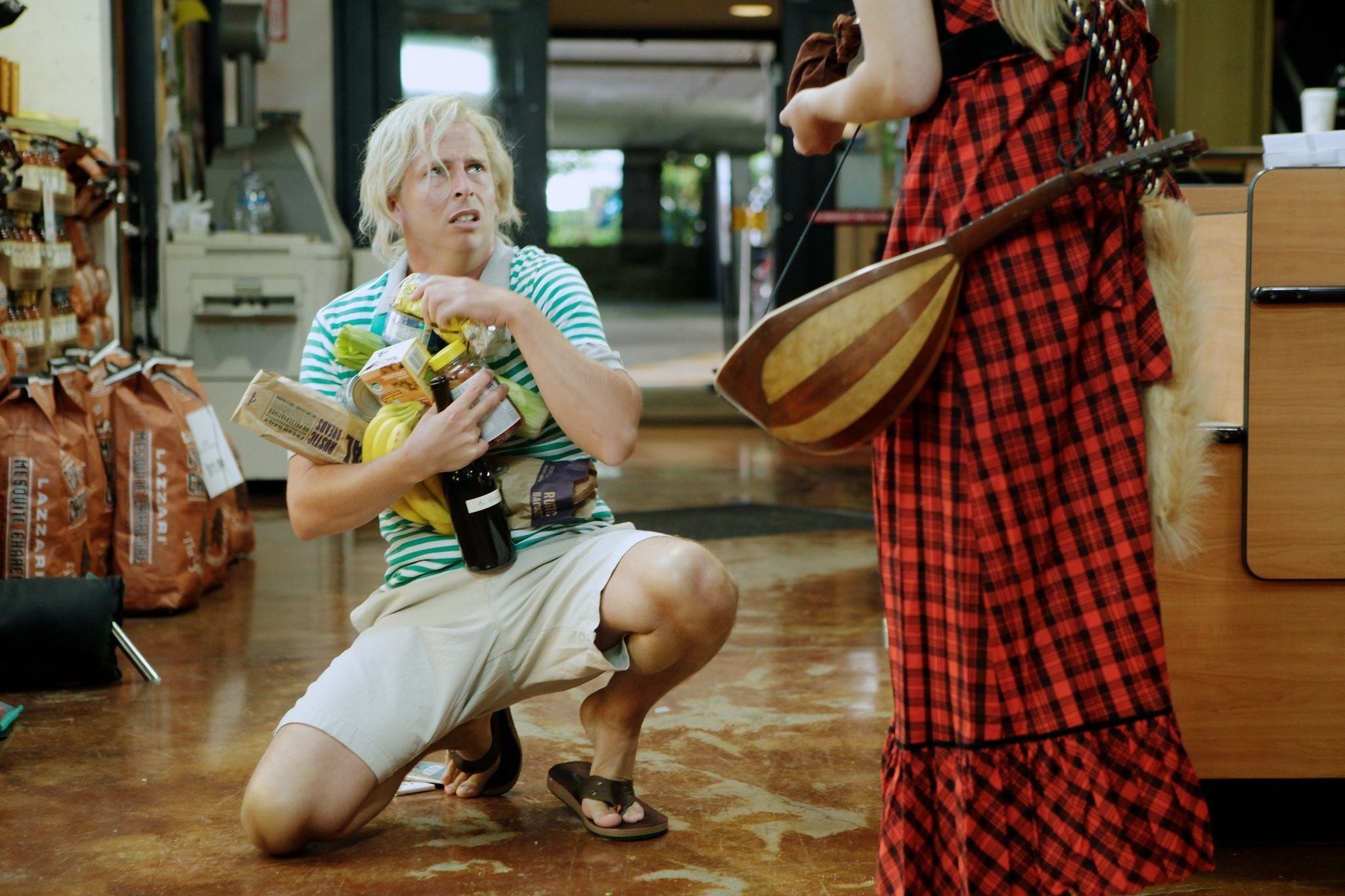
This stereotype is visualized in TV and movies. It shows up in ads for eco-friendly products. It is pervasive, even if it is completely wrong.
I think it is a leftover attitude of what people collectively thought of environmental activists back in the 90’s. That they are all tree-sitters, hippie in hemp, saving the whales.
Nevertheless, it is an inaccurate depiction of what a conscious consumer looks like today.

What do they actually look like?
You. Me. Your neighbor… Natalie from Ohio.
When it comes to eco-friendly marketing, you got to go through a lot of wack-o-woo. When I say wack-a-woo, I mean if you go to an Instagram Reel and its this girl in tight, hot yoga pants, pushing her hands together in a praying position, and she’s bowing to a tree… and then it’s dish-washing detergent.
I’m an eco-conscious person, I’m not going to respond to a 20 year old bending backwards and telling me I need this vegan mascara. It’s not going to fly.
Natalie, Ohio
Natalie is a conscious consumer. She even advocates the eco-friendly lifestyle with a non-profit and podcast.
She is a wife and mother of two who lives in northeast Ohio.
She is practical, and when it comes to shopping, she chooses to forgo some things so she can pay for higher priced, eco-friendly products.
She reads labels, and researches products and companies that make claims about being sustainable or natural.
She cares about the environment and the effects our consumerism has on her family, community, and the wider world.
She is not price-driven, and pay more to support brands that align with their values.
This is what it means to be conscious in your consumer habits. And brands need to understand Natalie and what she and people like her value.
And while not everyone goes as far, I would bet that almost everyone makes decisions to be more environmentally-conscious, whether opting for product with less packaging or taking a reusable shopping bag to the grocery stores
What should brands do?
I reached out to a professional to answer this one. Cheyenne is a copywriter who works with eco-conscious brands. She shared 5 points that brands need to take into account with their message and marketing
Be completely transparent
The most important thing you can do is tell them what they're buying and where it is coming from. They want to know who made the products, where their communities are, and are they being taken care of.
It's okay to tell your consumers that you don't have all of it right, and it might not all be perfect, but that you're trying improve as you go along.
More on the why and less on the money
If you wanna thrive in the business focus more on your why and less on the money.
Conscious consumers are always asking why. Why should I purchase this product? Why should I go for this service?
Your why is the reason your consumers were attracted to you in the first place and determines whether they stay or go. At the end of the day, your why is what keeps you in business.
Acknowledge the cost involved
Consumers know that eco-conscious products are probably gonna be more expensive. Because they are higher quality and sustainable. Eco-products are usually more expensive than your standard run of the mill products, but you need to acknowledge that they last longer.
The basis of sustainable products in particular, is that they last a long time. They are sustainable for a reason. So acknowledge that while it is more expensive, you're not going to have to buy 10 of these. You're only going to buy one.
Pile on the benefits
Talk about all of the benefits of your product. They are kind to the environment. If they are non-toxic that means less negative health effects. And that they save the consumer money in the long run. Don’t leave it up to them to imagine. Let them know.
Give everyone value
Especially in these crazy times that we're living in, people are beginning to understand that they can't count on the systems that have been in place for years.
So be the business that they can turn to for answers. For example if make a bamboo toothbrush. Write a blog post with a recipe for a simple homemade toothpaste. Maybe they can’t afford your products today, but if you have helped them at some point, they'll keep you in the back of their mind.

“I’m not kissing my crystals under the moon at night”
I laughed when she says this on the podcast, but Natalie makes a serious point that marketers need to consider: consumers are changing and we need to keep up.
If we want to reach our people, but our message and visuals do not mirror their lives… then we are just being lazy.
Originally sent as an email — view on Substack.
Get the next one by email
New issues go out as they are written. No schedule, no filler.