
Distill your customer's words into the good stuff, and create top shelf content...
August 24, 2022
I was looking at an ebike website last week.
On the product page, there was a lot of text that said nothing.
In particular, one block just under the main product info, there was a paragraph next to an image of the bike.
The text included 5 points about why I should want an ebike. It was just ideas mashed together someone thought people like me wanted to hear… Word-salad. Not relevant.
The next block was the same. Image + paragraph. Seemingly related to ebikes but unimportant.
I kind of lost interest around this section. Everything was just generic…
Watered-down…
Diluted.
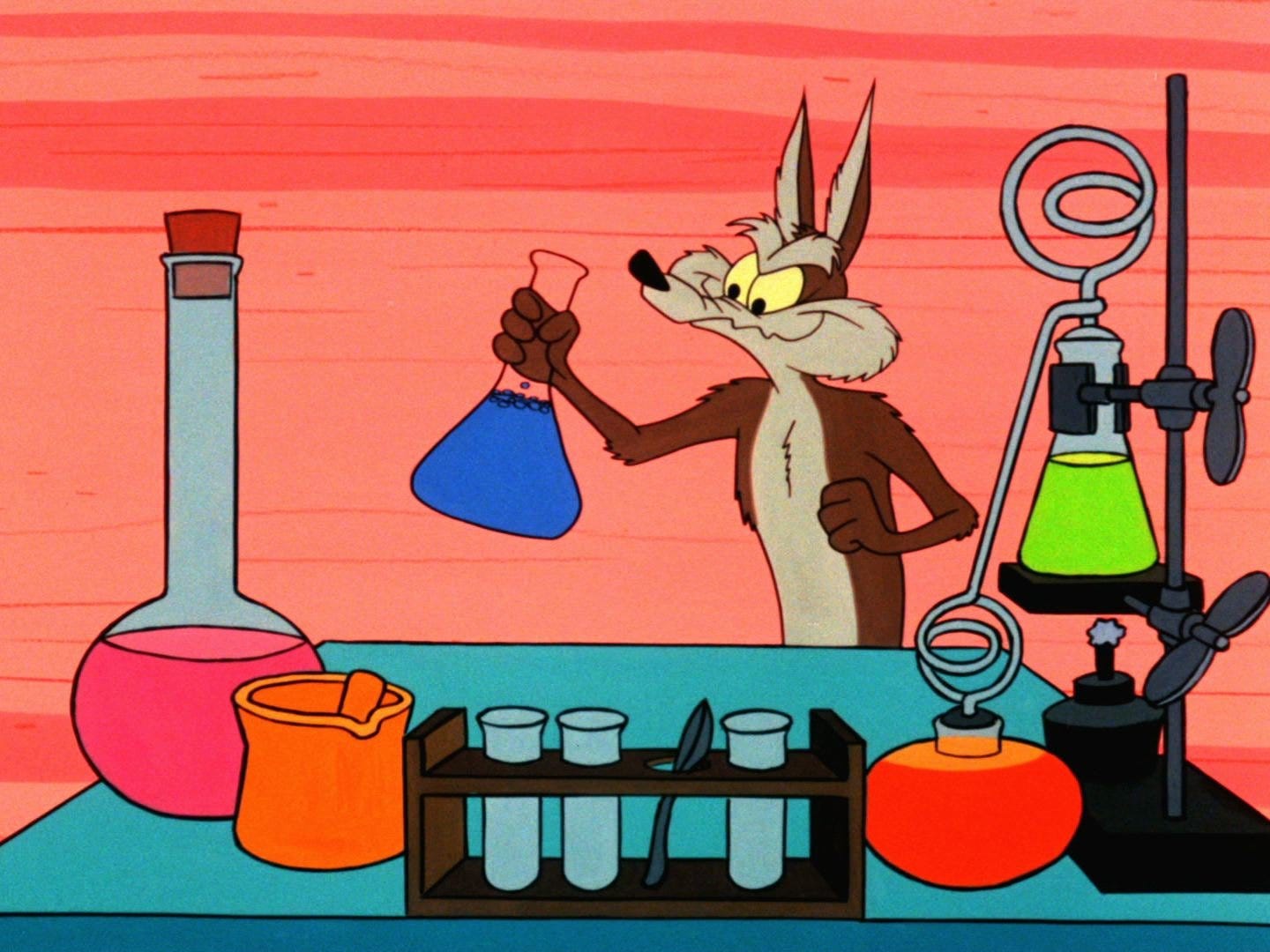
The Dilution Effect
40 years ago, there was a social psychologist named Zukier who ran an experiment with 149 undergrad students.
It was just 1 question, but reveals something that is extremely relevant to ecommerce:
Which student has the higher grade point average?
Tim spends about 31 hours studying outside of class in an average week.
Tom spends about 31 hours studying outside of class in an average week. Tom has one brother and two sisters. He visits his grandparents about once every 3 months. He once went on a blind date and shoots pool about once every 2 months.
Most of the participants chose Tim. The time spent studying was the same for both, but since we know that Tom did other stuff during his week, we assume Tom is less focused.
Zukier calls this the Dilution Effect.
He argues that when we are presented with additional weak or irrelevant information, the key information is diluted. Hypothetical Tom studies the same, yet Tim is seen as more studious…
…even though Tom might also be a good grandson or have gone out on a date.
Dilution in Ecommerce
When shopping online, we start by clicking on a product that matches what we imagine it should look like.
It is then up to the copy to grab our attention so we can learn more.
The copy is what sells us. It informs, explains, and nudges us to add-to-cart.
But what if there is a bunch of useless information strewn about? What if the information I need is mixed up with information I don’t care for?
Zukier would argue that the useless information would dilute the useful information, and my reason for buying something is less convincing.
It’s not likely that I would buy anything.
Dilution on Purpose
Now dilution is bad for ecommerce, but before we get there, I want to note that dilution is sometimes used on purpose.
Usually by evil corporations (lookin’ at you Big Pharma).
And I wanted to point this out because it is an easier way to recognize those the Dilution Effect works on our own brains.
So let’s do that experiment again… on drugs:
Which over-the-counter pain relief medicine would you choose?
Brand X may cause diarrhea
Brand Y may cause drowsiness, nausea, diarrhea in some patients and should not be used when operating heavy machinery.
Turns out, most of us assume that the chance of “having a shitty day” is much higher if we take Brand X.
You’ve seen this at the pharmacy. You’ve heard it on TV. That list of multiple “possible” side effects actually lessens our aversion to the actual side affects.
Mind-blow… God, I need an aspirin…
So it is used in that way too… and if you really think about it, you will find examples of it in sales for cars, homes, and everything.
Don’t Dilute Your Message
As an ecommerce brand, you have your message. About your company. About your products. About everything in between.
And then you distribute the message across your websites, social media, email, communities, etc.
So keeping that message from being diluted in #1 priority.
Your Message
I’m not going to “Simon Sinek” you and tell you to find your why…
I just want to point out that people want simple. They don’t care about your why so much. They want to understand what you are good for and if you fit their need.
That is the message that you need to refine and distribute all over the place. Like a broken record.
However, it is easier said than done.
Most DTC brands are not only competing with a few other brands. They are competing with Amazon, Walmart, and other marketplaces.
Those big guys have the lowest prices and fastest shipping, and to compete, a lot of brands spend too much space talking about affordability or shipping times.
Which dilutes your message..
Distill Their Words
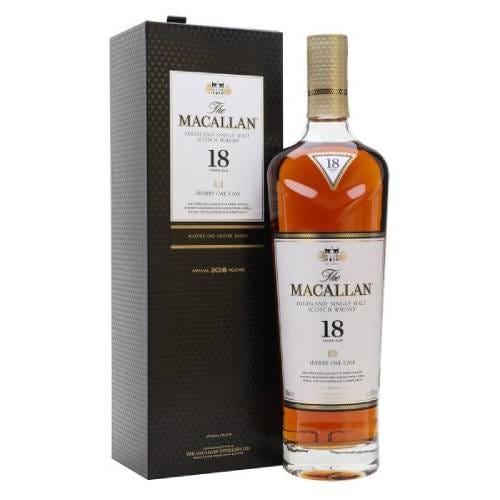
Distillation is the opposite of dilution. Or shall I say… it is the solution to dilution…
If dilution is adding in information that brands think is important, then distillation is adding in information that the customers think is important.
As in, you answer the questions they want answered. You use the language they use. You show photos of people like them doing what they hope to do.
Talking with customers is the best way of getting this information and language. We’ve seen customer interviews provide tons of information and quotes that can then be distilled into content for use across websites, social, email… everywhere.
The process of distillation gives you top shelf content. The good stuff.
The point is…
People who might buy will read.
If you speak their “language” and answer their questions or provide helpful content, they will understand you more and be more likely to buy your stuff.
Don’t guess what they are thinking. You might get some parts partly right, but I guarantee you will miss out on things that can greatly improve your conversion rate.
Originally sent as an email — view on Substack.
Get the next one by email
New issues go out as they are written. No schedule, no filler.