
The Levels of Processing Theory
I hope this serves as a handy reminder...
July 1, 2026
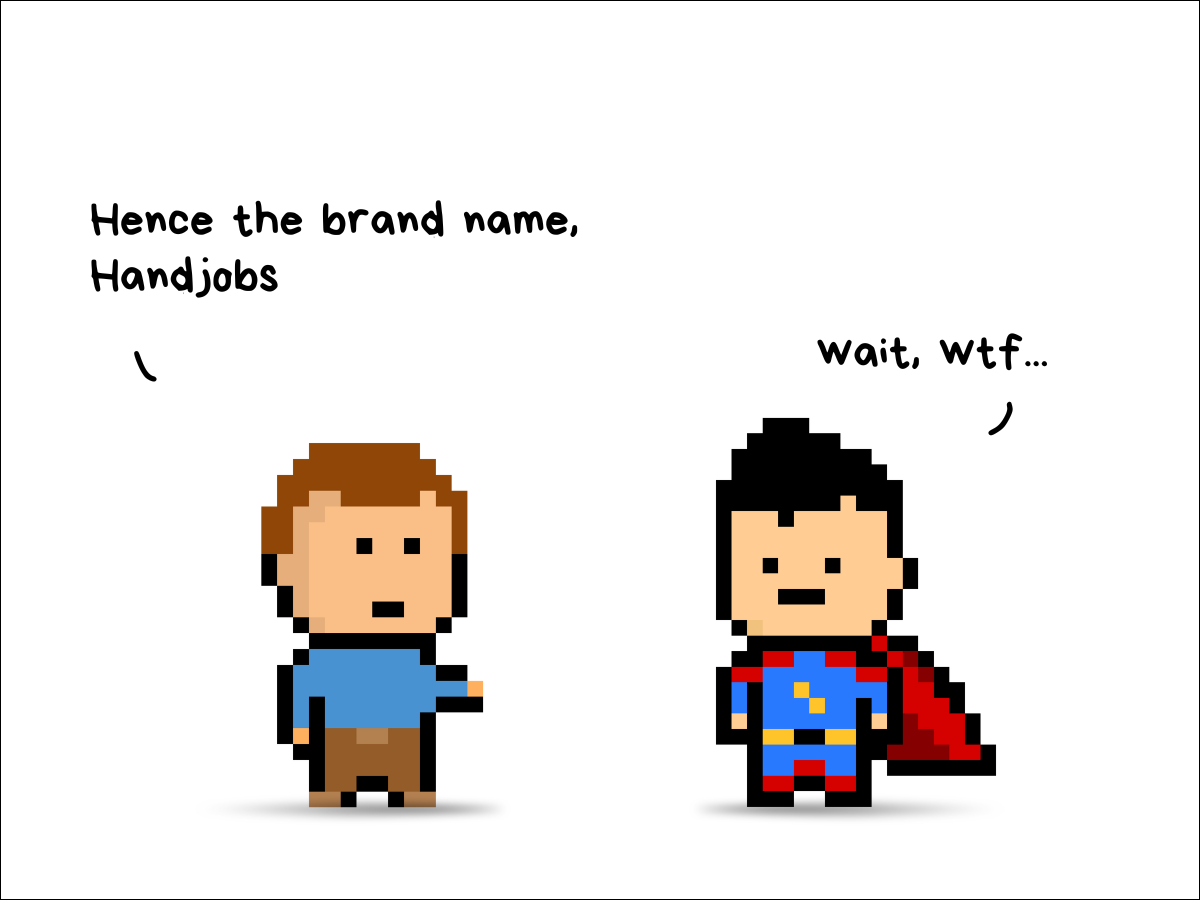
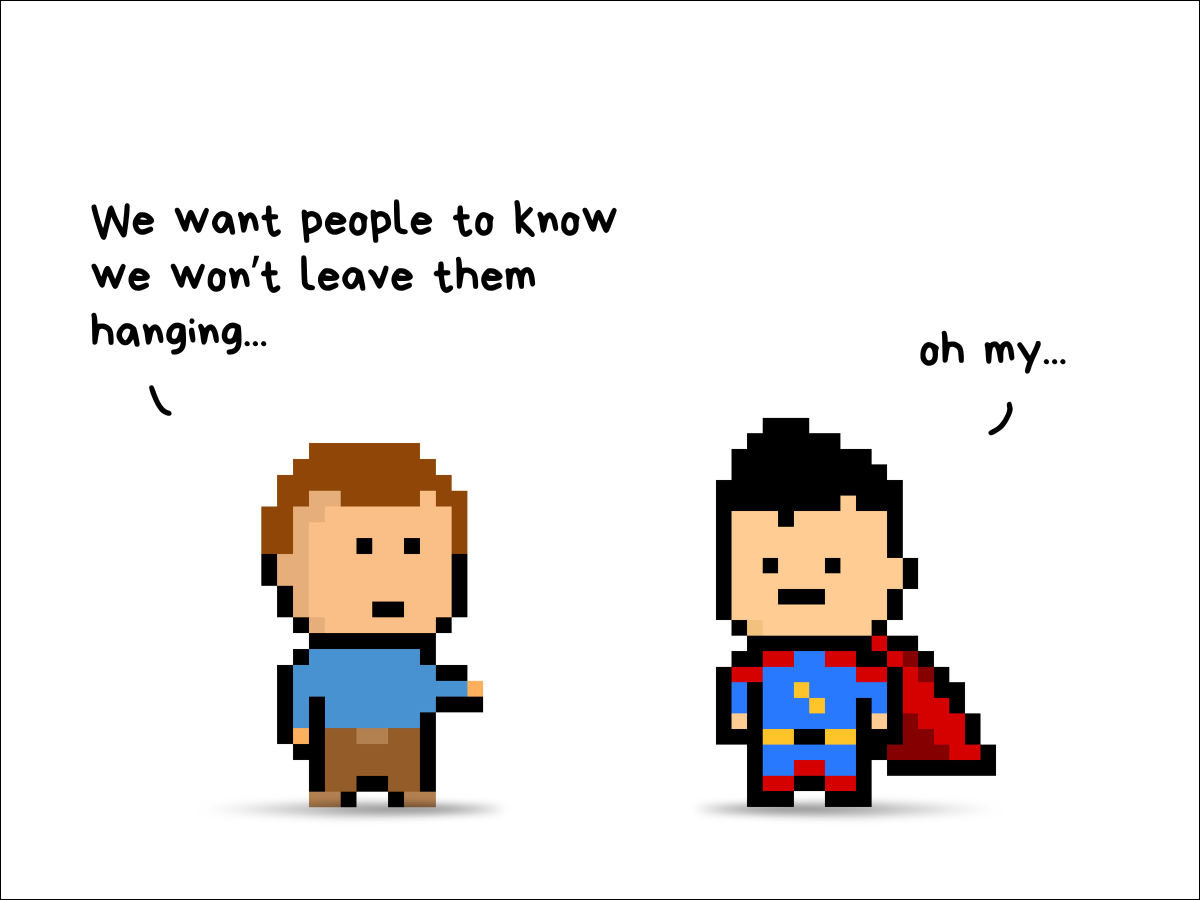
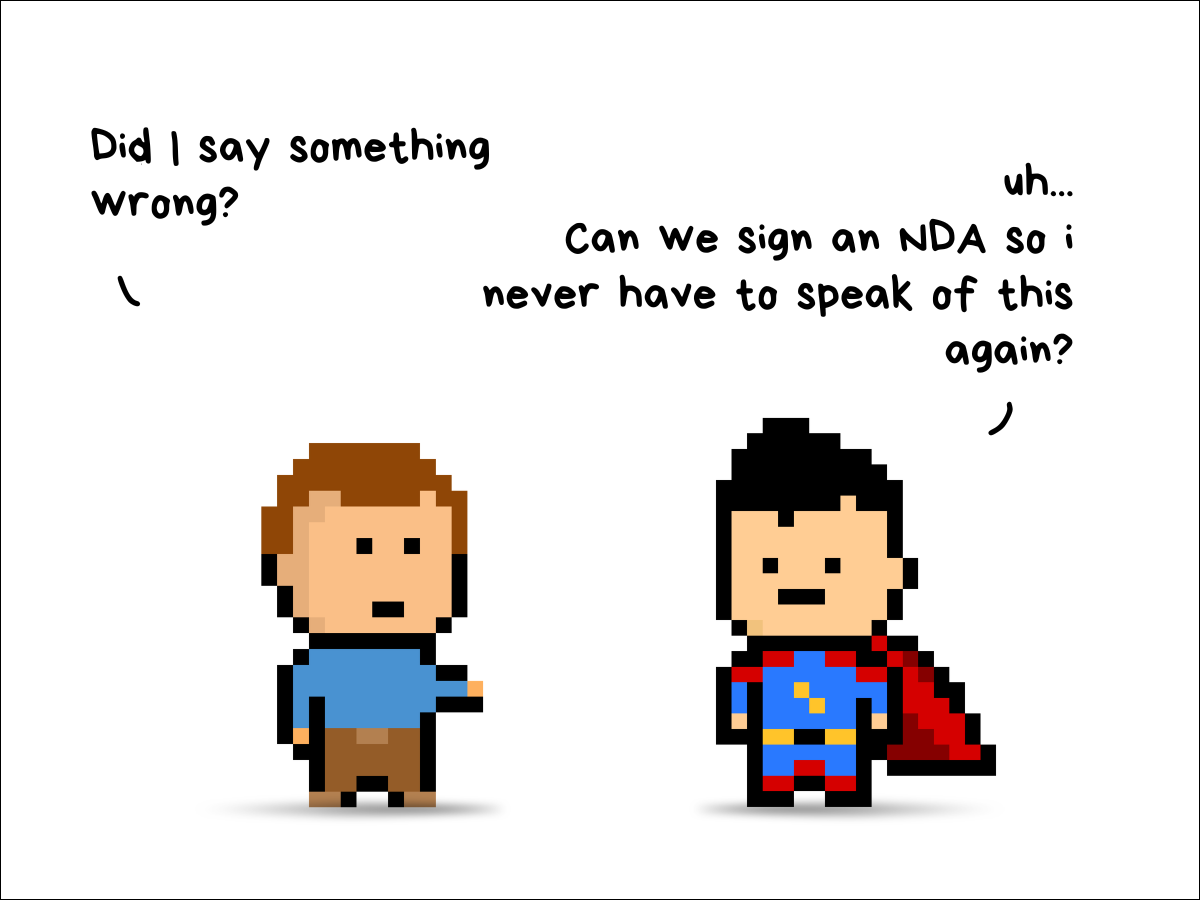
Do tell…
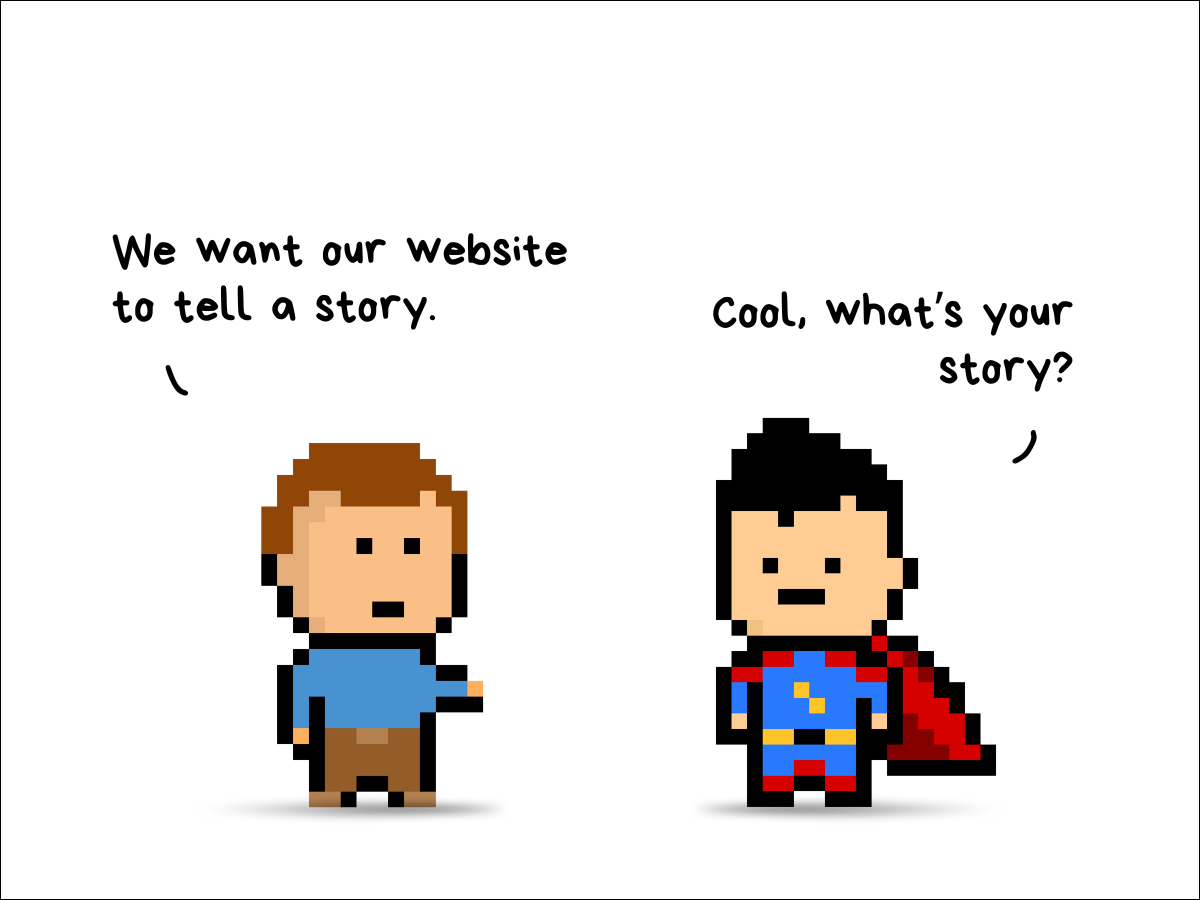
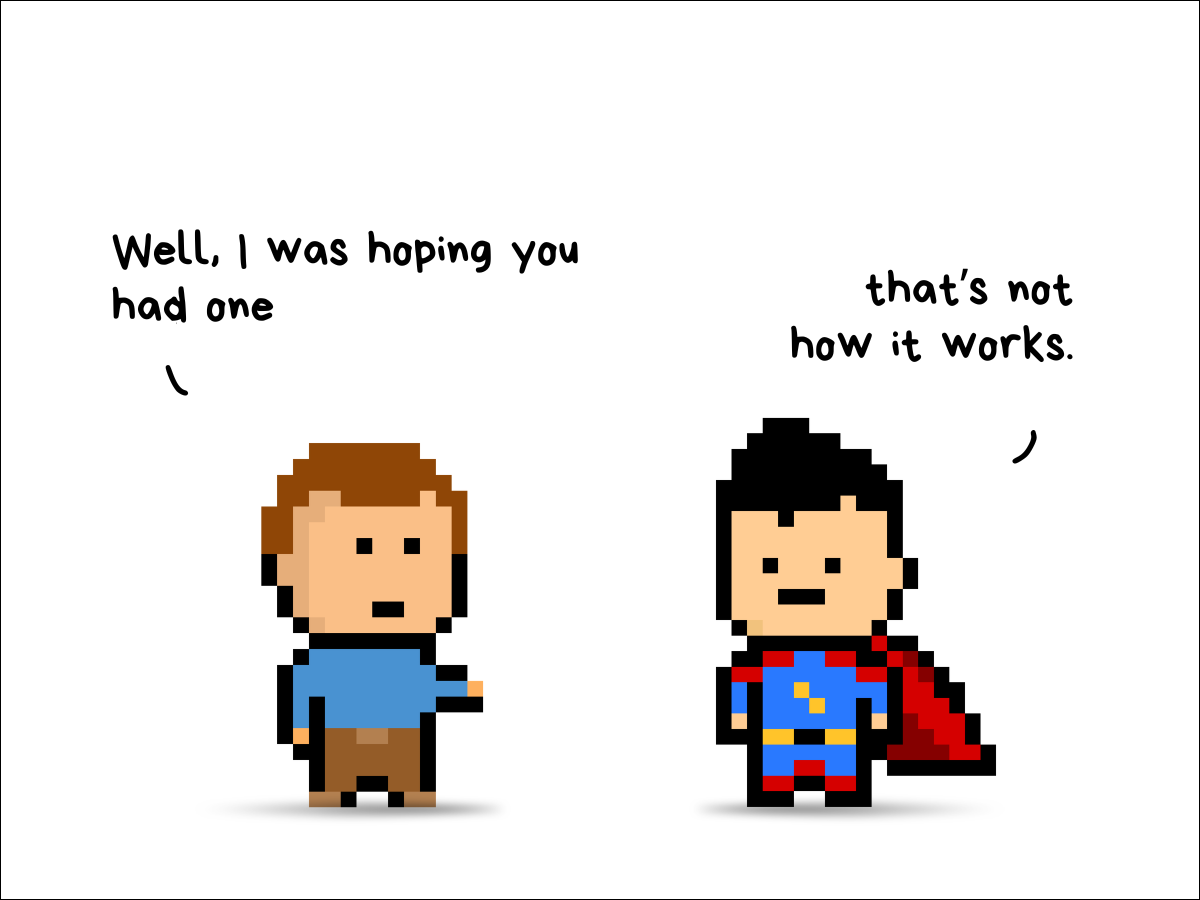
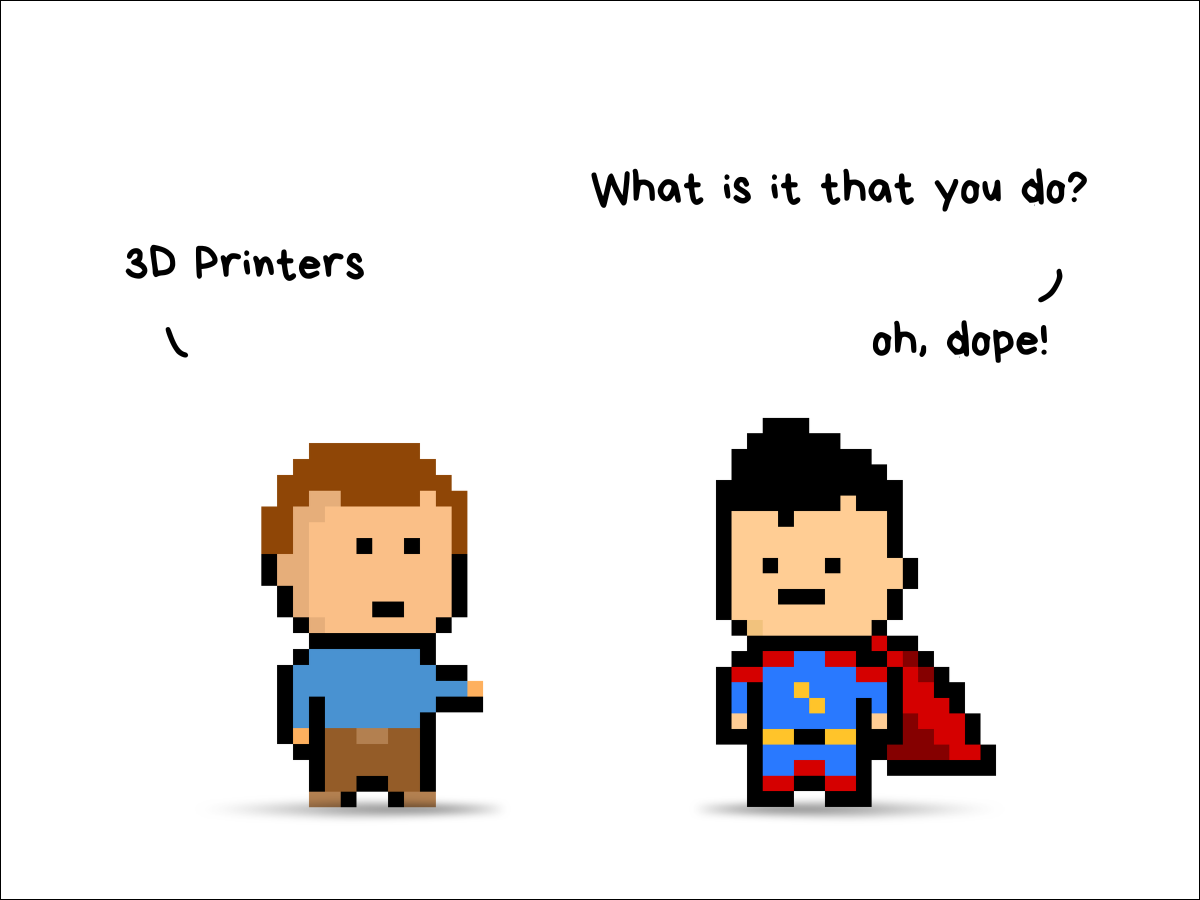
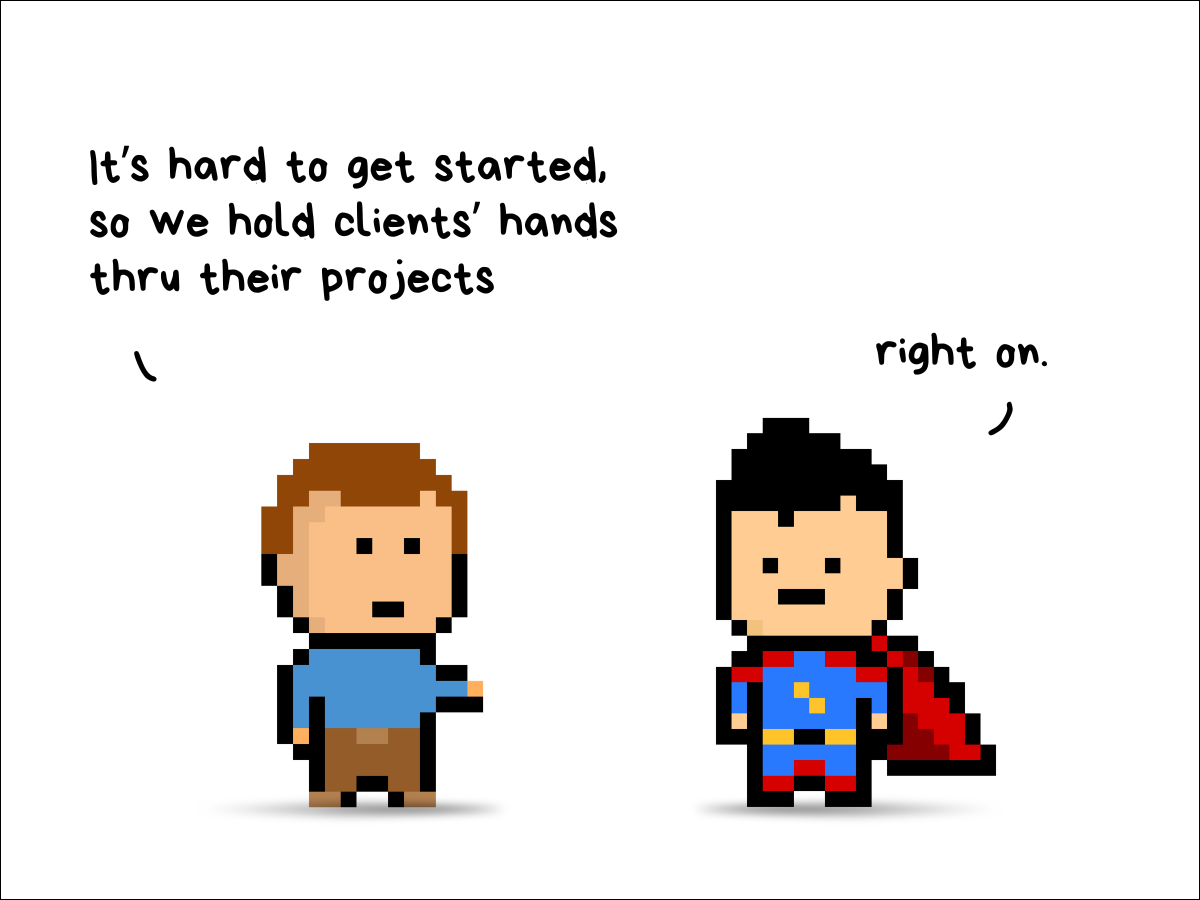
Storytelling has been a buzzword for a while. The talking heads of marketing tell us that we need our product or website to tell a stooooorry. I’ve probably said shit like that over the years. It’s not wrong, per se, but it’s enough of an empty platitude by now to get this hilarious call-out:
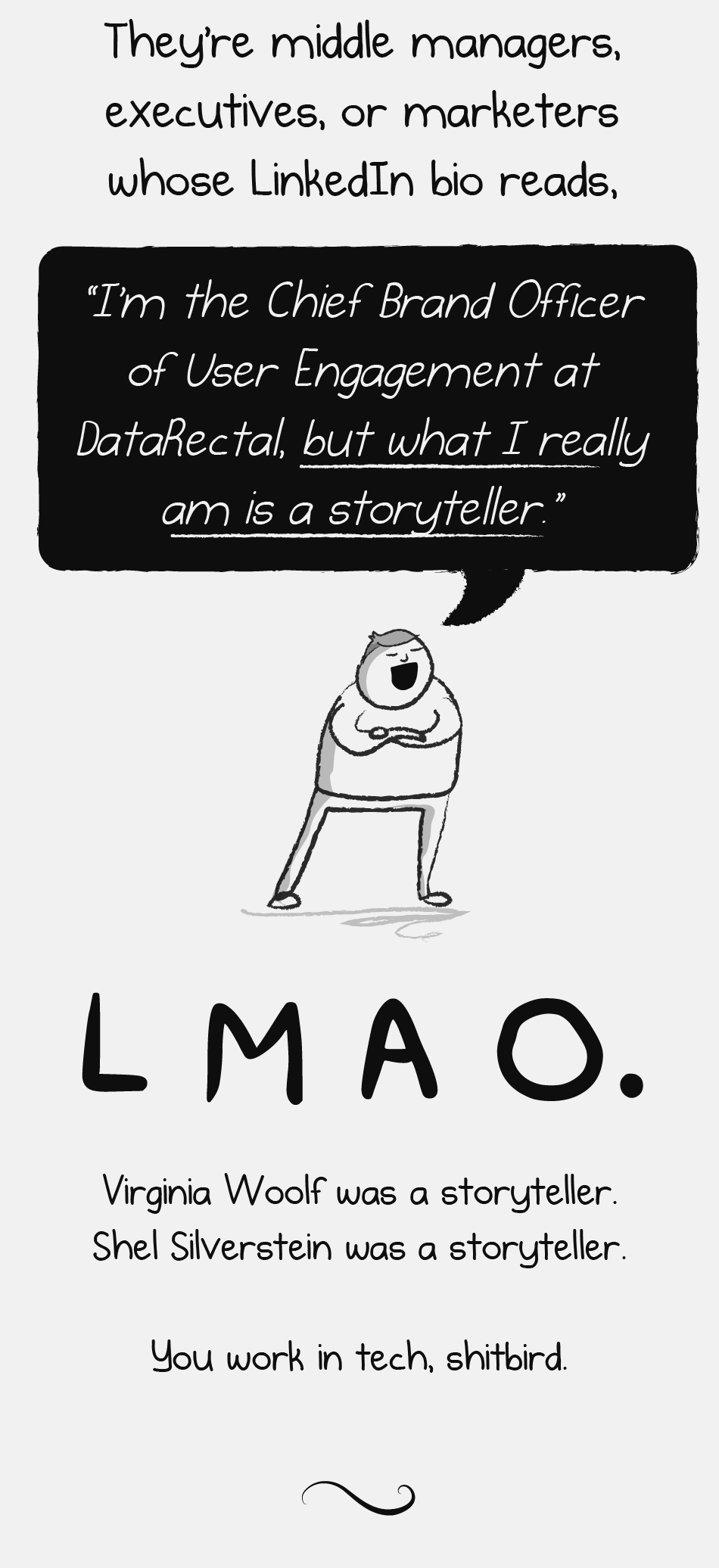
This is from one of my personal comic heroes, the one and only Matthew Inman — the dude behind The Oatmeal and Exploding Kittens. This piece comes from the best take on AI you will read today ever: A Cartoonist’s review of AI art.
Regardless of its buzziness… Storytelling is not nothing.
The Levels of Processing Theory
In 1972, Craik & Lockhart published a paper outlining the Levels of Processing theory, arguing that the depth of processing dictates how well we are able to recall information. Or, to put it more applicably, how fragile our recall is with shallow processing, and how resilient our recall is with deeper processing.
Their finding isn’t mind-blowing. We experience this all the time — when we struggle during an exam we crammed for, or when your friend repeatedly tells the same story again and again whenever a certain topic comes up — Information is coded into our memory differently, or at least on different levels.
Here is the nifty infographic from that study. If you look at it long enough, you probably won’t remember it because that type of processing falls into its own first category — Structural.
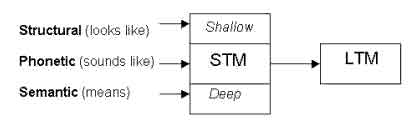
Structural processing comes from studying the visual structure. In this infographic, you see a list on the left with explanations in parentheses, arrows, table, and orphaned box that we assume means Long-Term Memory. And according to this theory, you will remember this for a short while.
A very short while.
One level down is phonemic processing. Think of this like studying for an exam with a buddy or reviewing data with colleagues. You can discuss and hear the back and forth. You process this much deeper than glancing at the info/data on your own, but your recall is mid, and it’s doubtful that you will take this information to your grave.
One step further, down into the depths where long-term memory lies, we have semantic processing…
The King has entered the chat
Here is another comic I came across on Reddit, and it might help me make my point.

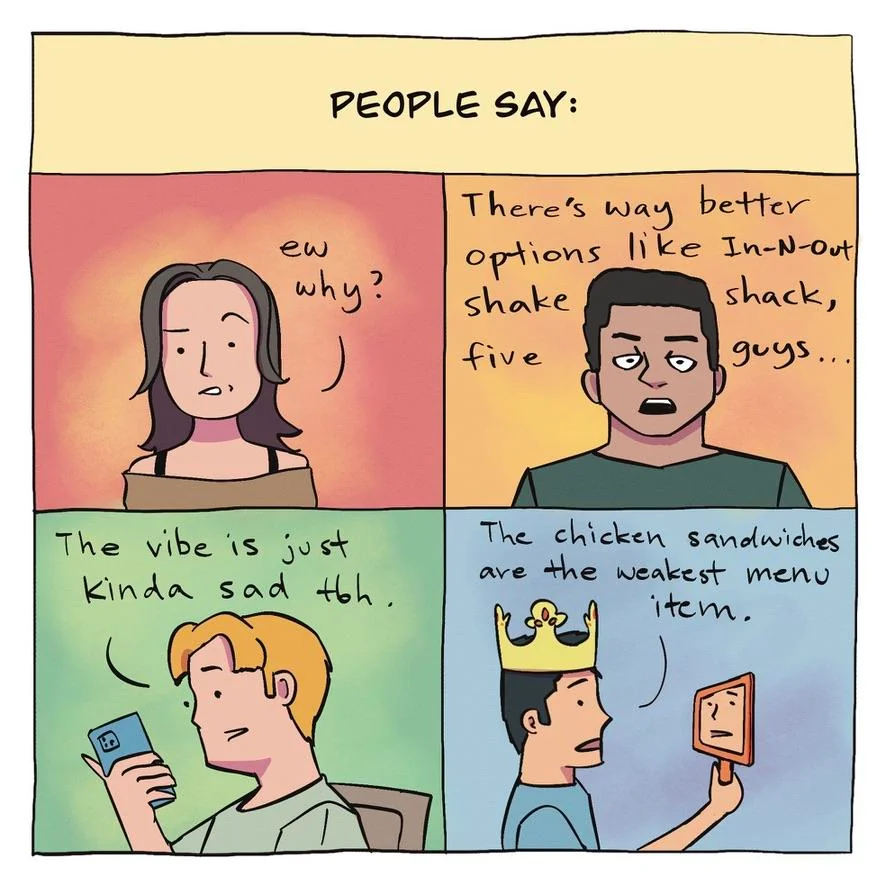
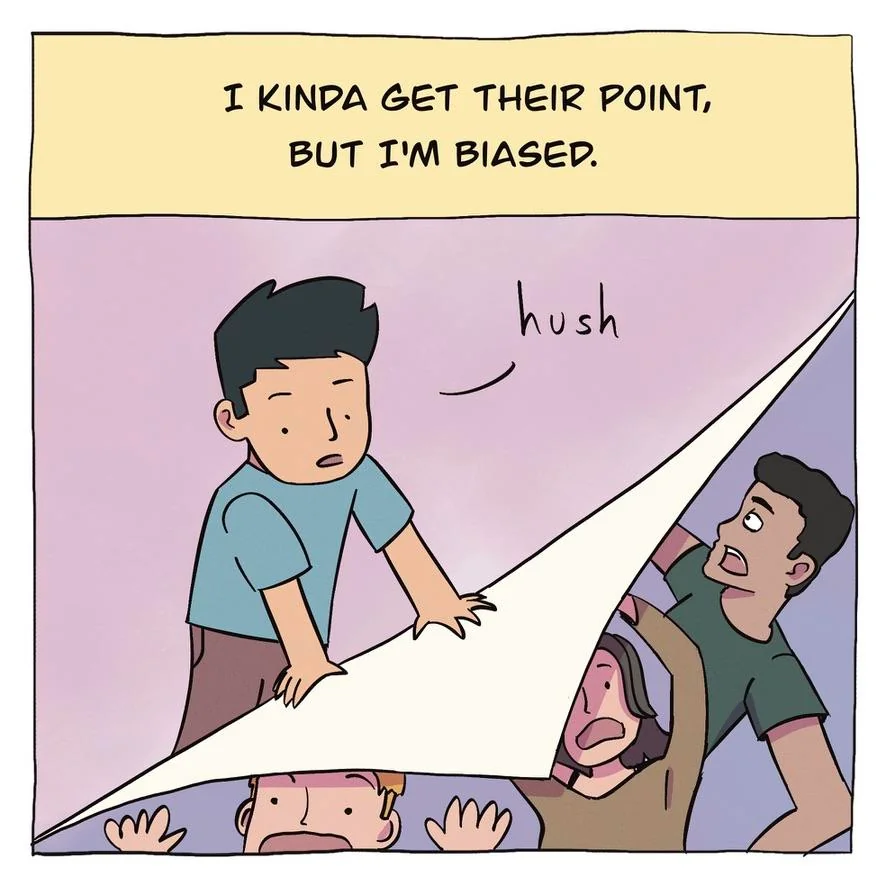
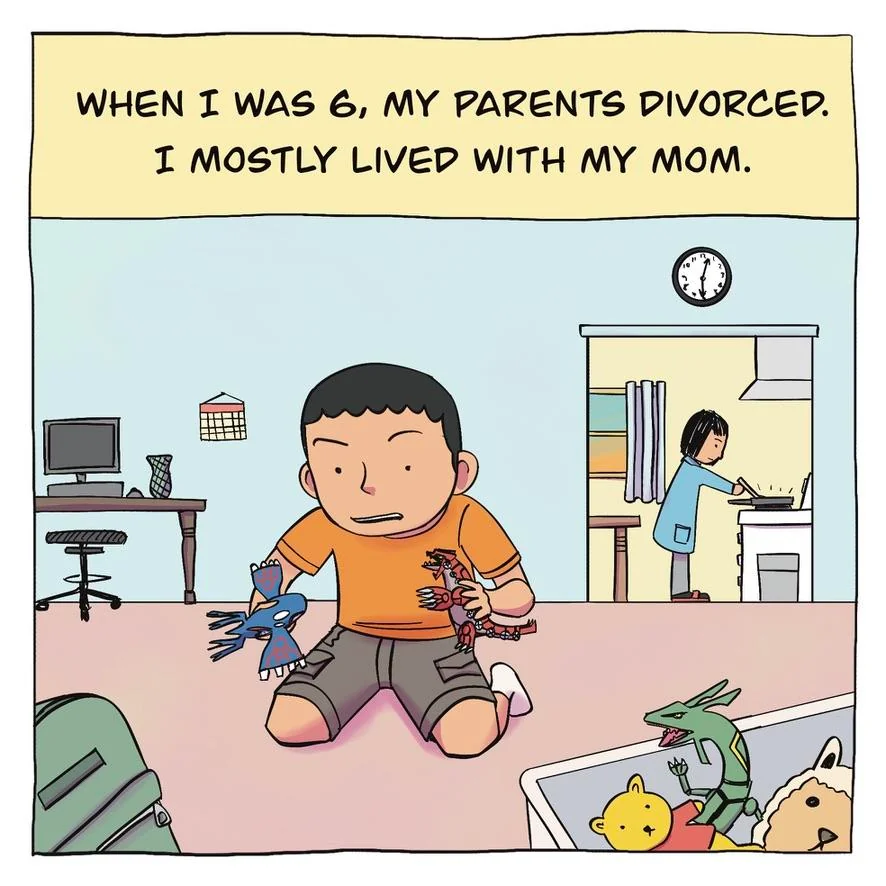
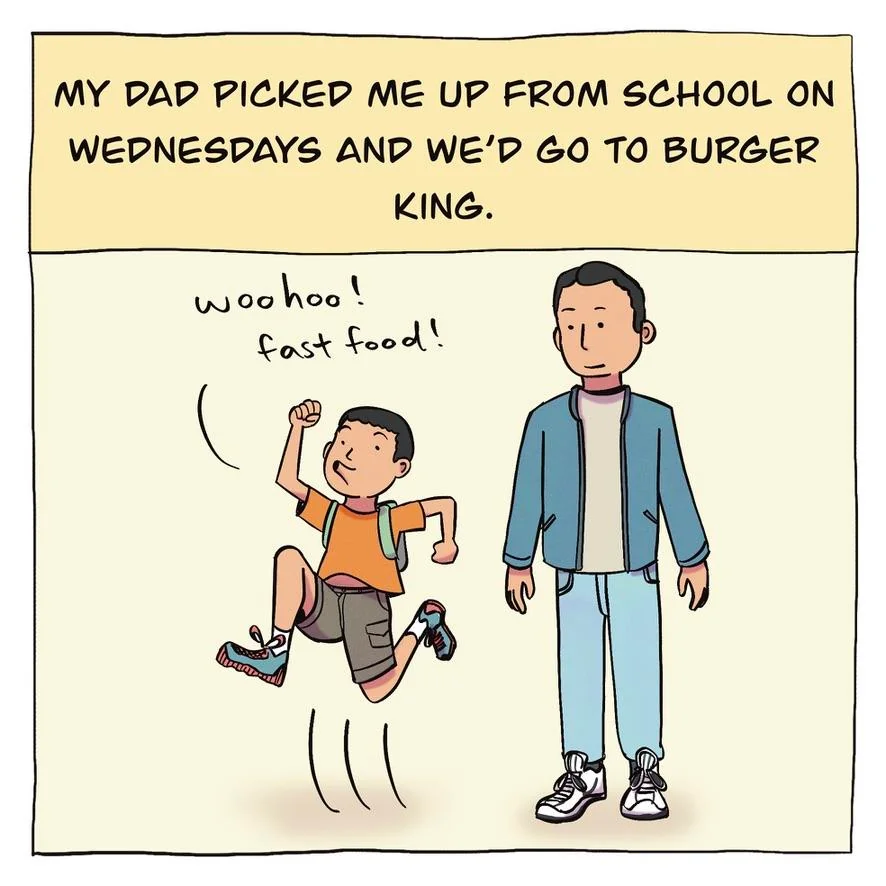
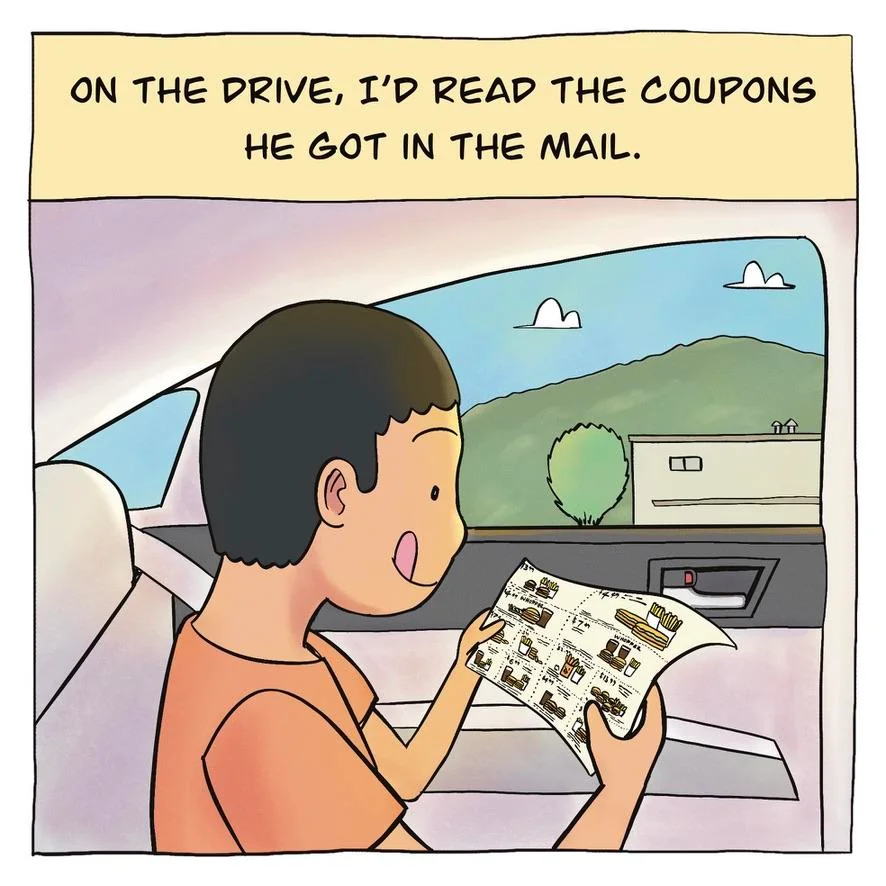
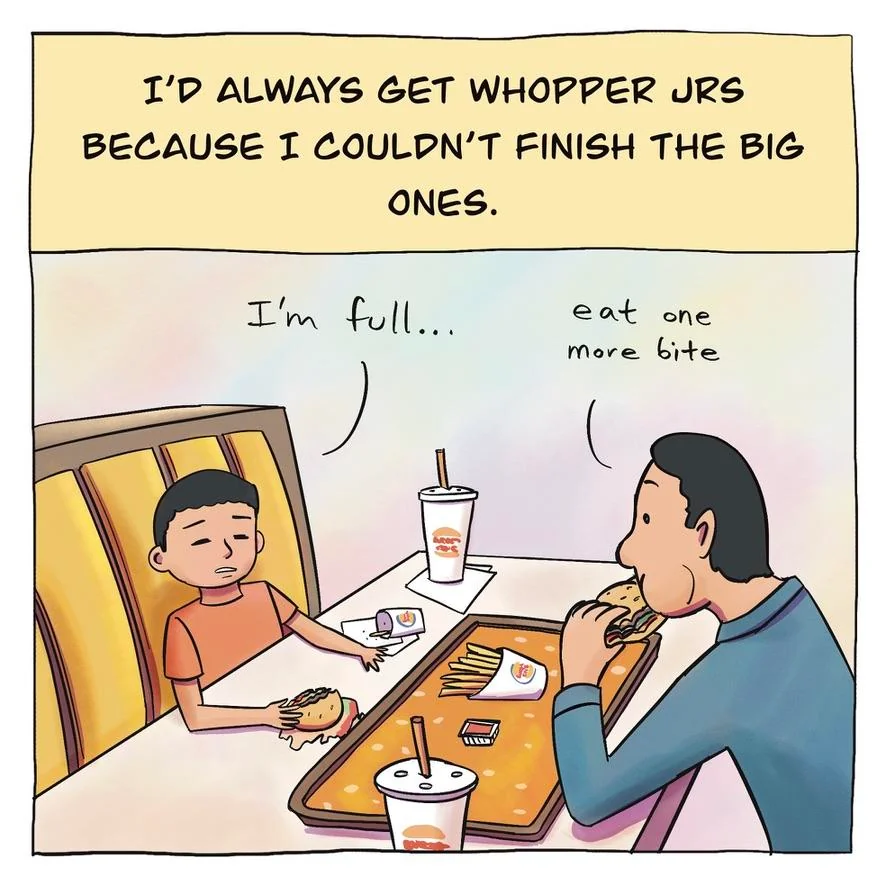

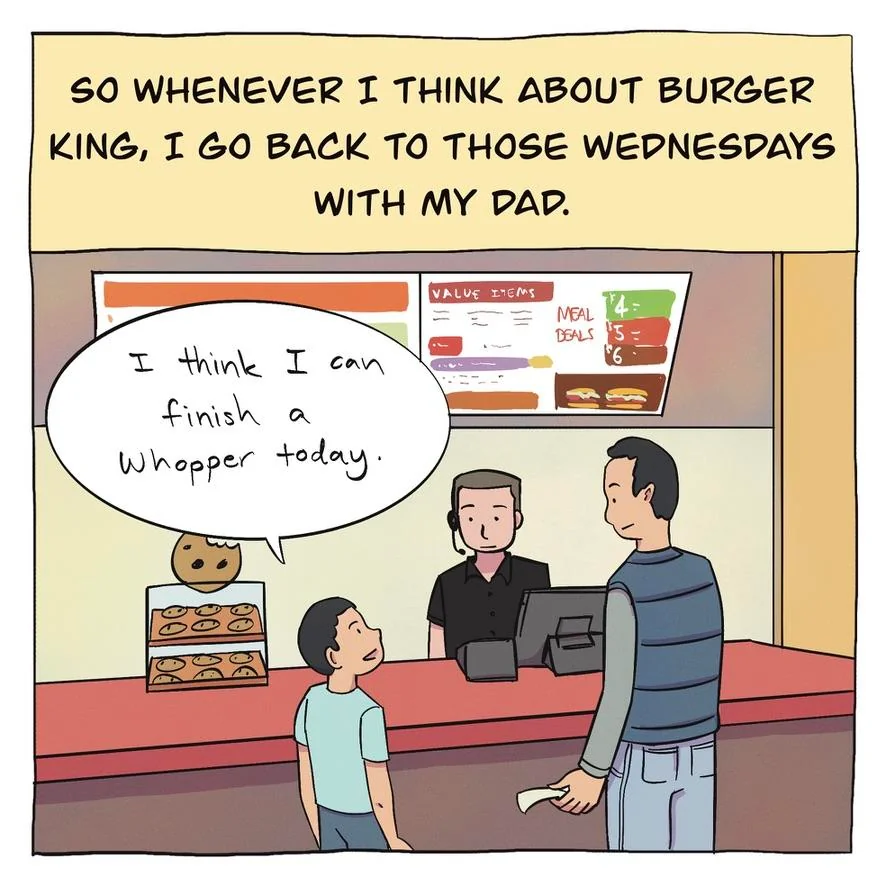
This comic illustrates how our views so vastly differ based on our past experiences, upbringing, preferences, and culture.
In this scenario, he needs to hang out with less pretentious assholes. But that is beside the point.
To his friends, Burger King is subpar. It is not a good fast-food choice. They may opine on the quality, taste, or sad vibes all they want, but none of that matters.
To this guy, price doesn’t come into play, ingredients are not a factor, and all the clever ads in the world won’t sway him. His nostalgia for a whopper is deeply ingrained. When he wants a Whopper, he isn’t weighing the pros and cons. He is after something entirely separate.
It is just an anecdote, but it gives a glimpse into how varied our individual decision-making process is.
Whether it’s nostalgia or logistics or preferences or PTSD, how we come to a decision is unique even if the final decision looks the same.
Back to telling a stooooorry…
Ecommerce is made up of digital assets managed by digital button-pushers. We create assets. We shuffle assets around. We vie for attention with our assets. We hope and pray that our immaculate assets get people to buy.
And when it works, we have more assets ready to beg for a repeat purchase.
It’s assets all the way down.
These assets, spread across various platforms, all have a single goal: relay a particular message to a particular audience.
And this is where Matthew Inman comes in…

Marketing likes to fluff things up that don’t need fluffing… Or maybe it’s its not marketing… Maybe it’s faux-marketers latching on to solid concepts and over-fluffing them… Maybe they should take a flying fluff at a rolling donut.
And maybe I should get back to the point…
Underthink it…
The lofty ideals of storytelling are nowhere to be found when you’re staring at your computer trying to think of how to optimize your website. You are trying to figure out what might help a customer understand the product better, not how to weave a narrative that will tickle their chakras.
It sounds lovely to tell a story, but you just need visitors to see themselves in the product in a way that they can visualize how they will use it — or — how they will feel after using it.
It is that simple and that hard.
Let’s look at these images on a couple toe band product pages:
One is from Sidekick. One is from Walmart.com.
One shows you a mini demonstration of how you might use the product at home. One shows pics of toe bands (or livestrong bracelets?) in a variety of colors.
Walmart is a behemoth and shoppers add shit to their carts all willy-nilly because it’s cheap. So this third-party seller doesn’t even need to up their product image game…
However, if you are a DTC brand, your product pages need to be robust and demonstrative because you compete against the cheap-o crap on walmart and amazon.

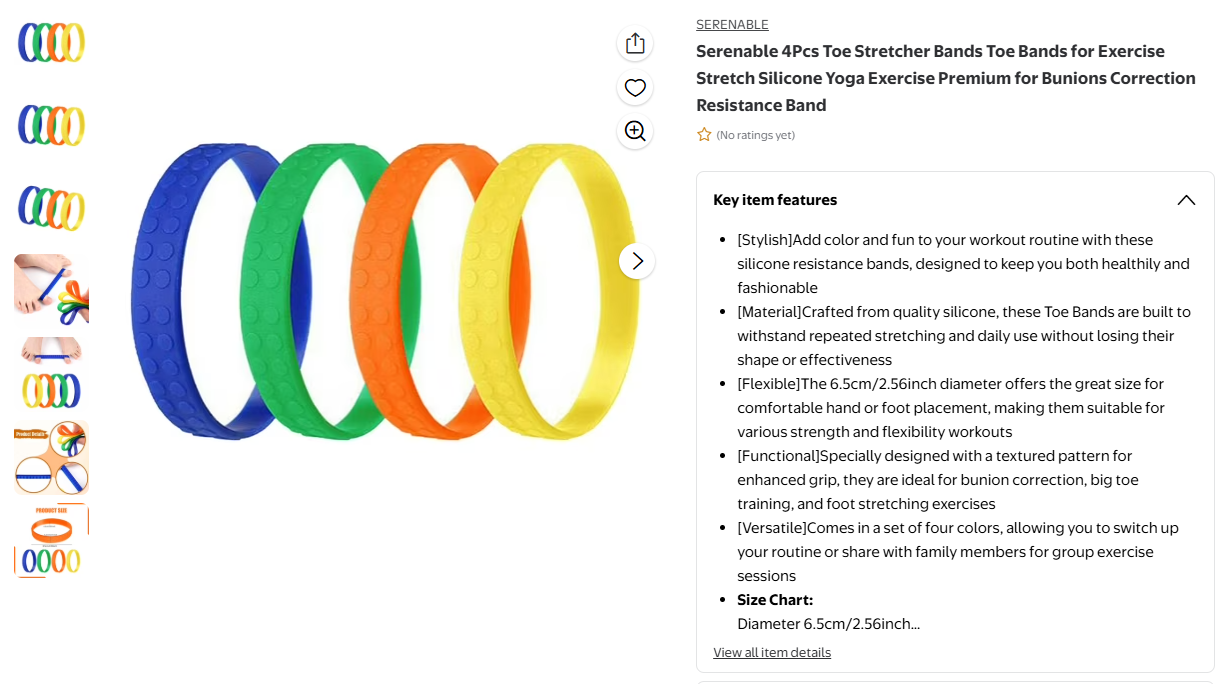
People want to imagine what it would look like to use a product themselves OR what the result would look like for them.
And if you can accomplish that, your potential customers can process the information semantically, and that impression might endure until they are ready to click checkout.
Otherwise, their recall will steer them to the platform they most often buy from… which is likely amazon and not your brand website.
- Shep, your fellow ecommerce shitbird
It has been a long time since I wrote anything, so this was fun. I plan on writing more because we are finally finished with the building Mouse Whisperer (Shopify AB Testing app for CRO) and I need to start shilling for it. Hit me up if you want to be a beta tester.
Originally sent as an email — view on Substack.
Get the next one by email
New issues go out as they are written. No schedule, no filler.